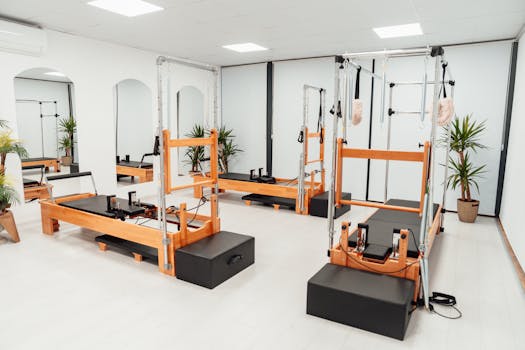
Imagine this: you’re mid-squat, pushing your limits, and your feet find that perfect, stable grip. Or perhaps you’re performing dynamic plyometrics, absorbing impact with confidence, knowing the ground beneath you is engineered for resilience. It’s a subtle but significant part of the workout experience, isn’t it? For years, the conversation around gym flooring has often been about aesthetics or basic protection. But what if we’re overlooking a critical component that can fundamentally alter performance, safety, and even the lifespan of our training environments? I’m talking about gym flooring tiles – not just as a surface, but as a deliberate, performance-enhancing architectural choice.
For too long, many have viewed gym flooring tiles as a utilitarian afterthought, a necessity to cover concrete or protect a subfloor. This perspective, while understandable, often misses the profound impact these surfaces have on everything from joint health to the very acoustics of a space. It begs the question: are we settling for adequate when we could be aiming for optimal? Let’s delve into the often-underappreciated world of gym flooring tiles and explore how thoughtful selection can elevate any fitness sanctuary.
The Unsung Heroes of Impact and Endurance
Think about the sheer forces exerted on a gym floor. Whether it’s the thud of dropped weights, the rhythmic pounding of a runner’s stride, or the sharp impact of a burpee, the flooring has to absorb and dissipate energy. This isn’t just about protecting the subfloor; it’s about protecting you.
Shock Absorption: High-quality gym flooring tiles are designed with specific densities and materials to absorb impact. This reduces stress on your joints – knees, hips, and spine – which is particularly crucial for those engaging in high-impact activities or for individuals with pre-existing joint concerns. It’s a silent form of injury prevention that’s literally built into your workout space.
Energy Return: While shock absorption is vital, a truly superior floor also offers a degree of energy return. This means the flooring doesn’t just absorb the force; it gives a little something back, aiding in explosive movements and reducing fatigue over long training sessions. It’s a subtle bounce that can make a tangible difference.
Durability for the Long Haul: Commercial gyms, let alone dedicated home setups, can be demanding environments. The best gym flooring tiles are engineered to withstand constant wear and tear, from heavy equipment to the relentless foot traffic. This longevity means less frequent replacement and a more consistent, reliable surface for years to come. I’ve seen spaces where the flooring started to crumble after just a few years, and it’s not only an eyesore but a safety hazard.
Beyond the Bounce: Grip, Stability, and Control
Performance isn’t just about absorbing impact; it’s about maintaining control and stability. The surface beneath your feet is your primary point of contact with the environment, and its texture, friction, and stability directly influence your ability to execute movements with precision and power.
#### Navigating the Surface: Traction Matters
When was the last time you worried about slipping during a crucial lift or a fast-paced conditioning drill? You shouldn’t have to. The surface texture of gym flooring tiles plays a significant role in providing the necessary traction.
Textured Surfaces: Many tiles feature subtly textured patterns designed to offer excellent grip without being abrasive. This is particularly important for exercises like lunges, kettlebell swings, or anything involving quick footwork where maintaining your footing is paramount.
Non-Slip Properties: Even in the presence of sweat or minor spills, good gym flooring tiles will retain their non-slip characteristics. This is a critical safety feature that often gets overlooked in favour of more superficial qualities.
Material Science Meets Movement: What Are Your Options?
The ’tile’ format itself offers a fascinating flexibility. Unlike large rolls, tiles allow for easier customization, replacement, and often, a more contained installation. But what are these tiles actually made of, and what are the implications?
#### The Popular Players in the Flooring Arena
Rubber Flooring Tiles: This is perhaps the most common choice, and for good reason.
Dense Rubber: Often made from recycled tires, these tiles offer excellent durability, shock absorption, and sound dampening. They’re ideal for weightlifting areas and high-impact zones. I find the density of these tiles provides a reassuringly solid base for heavy compound lifts.
EPDM Rubber: Known for its resilience and colour-fastness, EPDM rubber tiles are great for adding visual flair and are highly resistant to UV rays and general wear.
Foam or EVA Tiles: Lighter and often more affordable, EVA (ethylene-vinyl acetate) tiles are popular for home gyms, yoga studios, or areas where extreme impact isn’t the primary concern. They provide good cushioning but may not hold up as well under heavy weight dropping or intense cardio.
PVC (Polyvinyl Chloride) Tiles: These offer a good balance of durability, water resistance, and affordability. They come in a vast array of colours and patterns and can be a versatile option for various training zones.
Interlocking Mats (Tile-like): While technically mats, many interlocking systems function identically to tiles, offering modularity. These are often made from dense recycled rubber or a composite material.
Customization and Configuration: Designing Your Ideal Training Ground
The modular nature of gym flooring tiles opens up a world of possibilities for customization. It’s not just about covering a space; it’s about designing zones tailored to specific training needs and aesthetics.
#### Creating Functional Zones
Weightlifting Areas: Consider denser, thicker rubber tiles here to handle dropped weights and minimize noise. Darker colours tend to camouflage scuffs and wear better.
Cardio Zones: Lighter, perhaps more shock-absorbent tiles can be beneficial to cushion the repetitive impact of treadmills and ellipticals.
Functional Fitness Areas: A blend of traction and shock absorption is key. Interlocking rubber or PVC tiles often work well, allowing for smooth transitions between different exercises.
Aesthetic Touches: Don’t underestimate the psychological impact of colour and pattern. Using different coloured tiles can delineate zones, improve visual appeal, and make your gym feel more professional and inviting.
Maintaining Your Investment: Longevity Through Care
Even the most robust gym flooring tiles require some attention to ensure they perform optimally and last as long as possible. Regular cleaning is the most obvious step, but understanding the material can guide your maintenance routine.
Sweeping and Vacuuming: Regular removal of dust and debris is essential to prevent scratching and wear.
Mopping: Use appropriate cleaning solutions. For rubber, a mild detergent and water is usually sufficient. Avoid harsh chemicals that can degrade the material over time.
Dealing with Spills: Promptly clean up any sweat or liquid spills to prevent them from seeping into seams or causing damage.
* Spotting Wear and Tear: Periodically inspect your tiles for any signs of damage. The beauty of tiles is that a damaged section can often be easily replaced without needing to resurface the entire area.
The Foundation of Your Fitness Journey: Making Informed Choices
Ultimately, the selection of gym flooring tiles is far more than a superficial decision. It’s an investment in safety, performance enhancement, and the overall longevity of your training environment. By moving beyond the purely functional and exploring the impact of material science, design, and maintenance, you can create a space that not only looks good but actively contributes to your fitness goals. So, the next time you step into your gym, take a moment. Consider what’s underfoot. Is it just a floor, or is it a carefully considered foundation supporting your every stride, lift, and jump? The answer, I suspect, can be transformative.